
Meeting You Where You Are: Why Better Hair Does Not Require Becoming a Different Person
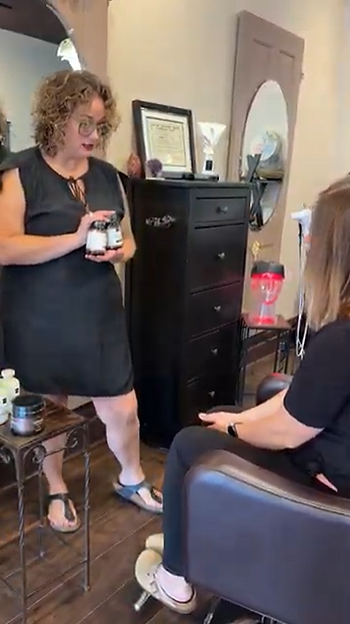
One of the biggest misconceptions about improving hair health is that you have to completely reinvent yourself.
You have to become the person who meal preps perfectly, gives up every food you enjoy, takes every supplement on time, never misses a routine, manages stress flawlessly, sleeps eight hours every night, and never has a setback.
But that is not real life.
And more importantly, that is not how lasting change usually happens.
When I work with someone on their hair health, my goal is not to turn them into a different person. My goal is to meet them where they are, understand what their life actually looks like, and create a plan that feels realistic enough to follow.
Because better hair does not require perfection.
It requires progress.
You do not have to become a different person to get better hair
Hair health is deeply connected to the body. Nutrient status, blood sugar balance, inflammation, digestion, hormones, stress, sleep, and daily habits can all play a role in how the hair grows, sheds, and recovers.
But that does not mean every change has to be extreme.
Sometimes people think that if they are not willing to overhaul their entire life, there is no point in starting. They believe they either have to do everything perfectly or they have already failed.
That kind of thinking keeps people stuck.
The truth is, small shifts can create real biological change.
Improving protein intake, adding minerals, stabilizing blood sugar, reducing inflammation, supporting digestion, or creating a more consistent routine can all make a difference over time. The body responds to repeated signals. It does not need perfection. It needs consistency.
And consistency is much easier when the plan actually fits the person.
Small shifts still count
I always want people to understand this: progress does not have to look dramatic to matter.
Let’s say someone tells me they eat a pint of Ben & Jerry’s every night.
I am not going to start by saying, “You can never eat ice cream again.”
For many people, that would feel overwhelming, restrictive, and honestly unrealistic. It may also create shame, guilt, or the feeling that they have already failed before they even begin.
Instead, maybe we start with a half pint at night.
Is that perfect? No.
Is it progress? Absolutely.
That shift matters.
It may mean less sugar before bed, better blood sugar regulation, improved sleep quality, less inflammation, or simply the confidence that change is possible without feeling punished.
And that confidence is important.
Because once someone realizes they can make one realistic change, they are often more willing to make another. Then another. That is how momentum builds.
All-or-nothing thinking keeps people stuck
All-or-nothing thinking sounds like this:
“I already messed up today, so I might as well start over Monday.”
“If I cannot do the whole plan perfectly, there is no point.”
“I know what I need to do, I just have no discipline.”
“I have to cut everything out or nothing will change.”
This mindset creates a cycle of restriction, burnout, guilt, and giving up.
But hair health does not improve because someone is punished into compliance. It improves when the body is consistently supported in ways the person can realistically maintain.
Extreme plans may look impressive on paper, but if they are too restrictive to follow, they do not create lasting results.
A realistic plan that someone can actually do will almost always be more effective than an extreme plan they abandon after two weeks.

A plan should not feel like punishment
There is a difference between a plan and a punishment.
A punishment is rooted in shame.
A punishment says, “You have been bad, so now you have to suffer to fix it.”
A plan says, “Here is where you are, here is where you want to go, and here are the steps we can take to move you forward.”
That distinction matters.
Many people come into hair and wellness work already feeling frustrated with themselves. They may feel embarrassed about their habits, overwhelmed by their symptoms, or discouraged by how long they have been dealing with hair loss or shedding.
The last thing they need is judgment.
My work is not about shame. It is not about making someone feel bad for where they are starting. It is about creating a path forward that is honest, supportive, and realistic.
Yes, change requires effort.
But effort does not have to feel like punishment.
What someone is willing to do matters
One of the most important parts of creating a successful plan is understanding what someone is actually willing and able to do.
Not what sounds ideal.
Not what looks perfect on Instagram.
Not what worked for someone else.
What works for YOU.
If a recommendation does not fit into someone’s life, budget, schedule, preferences, stress level, or current capacity, then it is not a good plan for that person.
That does not mean we lower the standard of care. It means we build the bridge from where they are to where they want to be.
Sometimes the first step is not the final goal.
Sometimes the first step is simply the first step.
And that is okay.
Meeting people where they are is not a slogan
For me, “meeting people where they are” is not a catchy phrase.
It is what I really do.
It means I listen before I recommend.
It means I look at the whole person, not just their hair.
It means I consider their lifestyle, their relationship with food, their stress, their routines, their history, their fears, and their capacity for change.
It means I do not expect perfection.
And it means I do not believe people need to be shamed into taking care of themselves.
Hair health can be emotional. When someone is dealing with thinning, shedding, breakage, or changes in their hair, they are often carrying more than just a physical concern. They may be carrying fear, frustration, confusion, or grief.
A good plan should support the person, not overwhelm them.
Progress creates confidence
When people start making small, realistic changes, something powerful happens.
They begin to trust themselves again.
They see that they are capable of follow-through. They stop viewing health as something that requires extremes. They begin to understand that every supportive choice is a signal to the body.
More protein at breakfast matters.
Going from a pint of ice cream to a half pint matters.
Taking supplements consistently most days matters.
Adding one mineral-rich food matters.
Drinking more water matters.
Getting to bed a little earlier matters.
Managing stress five percent better matters.
None of these things are perfect.
But they are not meaningless.
They are signals. And over time, those signals add up.

Better hair is built through progress, not perfection
If you have believed that improving your hair health means becoming a completely different person, I want you to know that is not true.
You do not have to be perfect to make progress.
You do not have to change everything overnight.
You do not have to give up every food you love.
You do not have to punish yourself into a healthier body.
You need a plan that meets you where you are, supports your biology, and helps you take realistic steps forward.
Because the best plan is not the most extreme one.
The best plan is the one you can actually live with.
And sometimes, that is exactly where real healing begins.
If you finally feel like I can guide you in the right direction, where you are, and know you too can have better looking hair and a healthier scalp, click below. Let's ride this together!


Comments